Buying Men's Slippers looks simple until the first week of wear reveals the real problems: sizes that run inconsistent, soles that get slick on tile, insoles that flatten fast, or uppers that trap heat and odor. This guide is built around the questions customers actually ask before they purchase: which styles work for different homes, what materials last, how to judge comfort without being fooled by “soft” marketing language, and how to avoid the most common quality failures. You’ll also find clear checklists, comparison tables, care tips, and a sourcing section for brands and buyers who want reliable manufacturing and private label options.
Most people don’t “hate slippers.” They hate specific failures. When customers complain about Men's Slippers, it usually boils down to one (or more) of these:
There’s no single best style of Men's Slippers. The best choice depends on your home surfaces, whether you wear socks, and how warm your feet run.
| Style | Best for | Warmth | Ventilation | Common drawback |
|---|---|---|---|---|
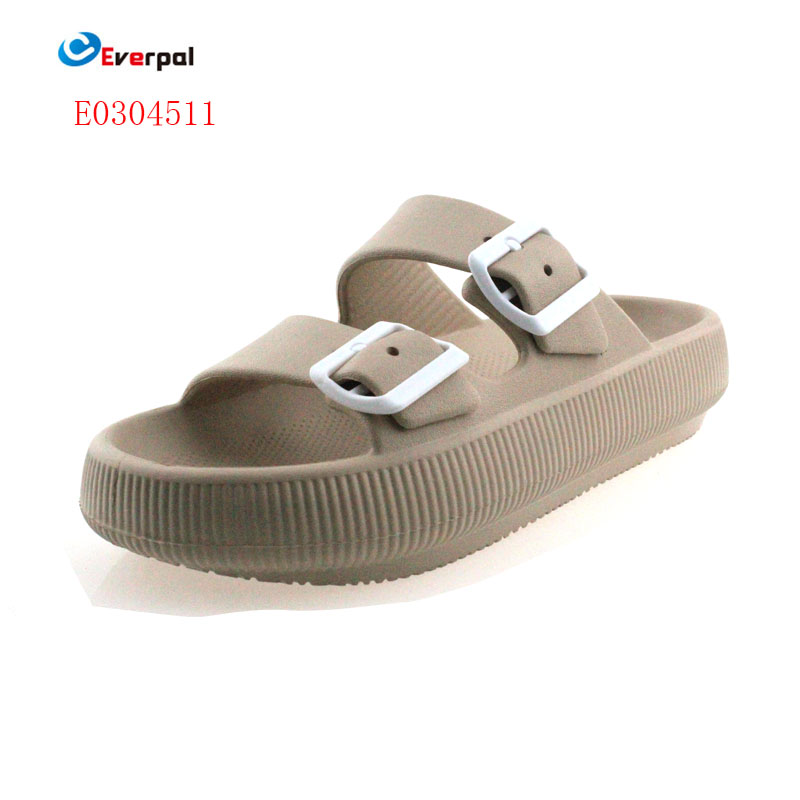
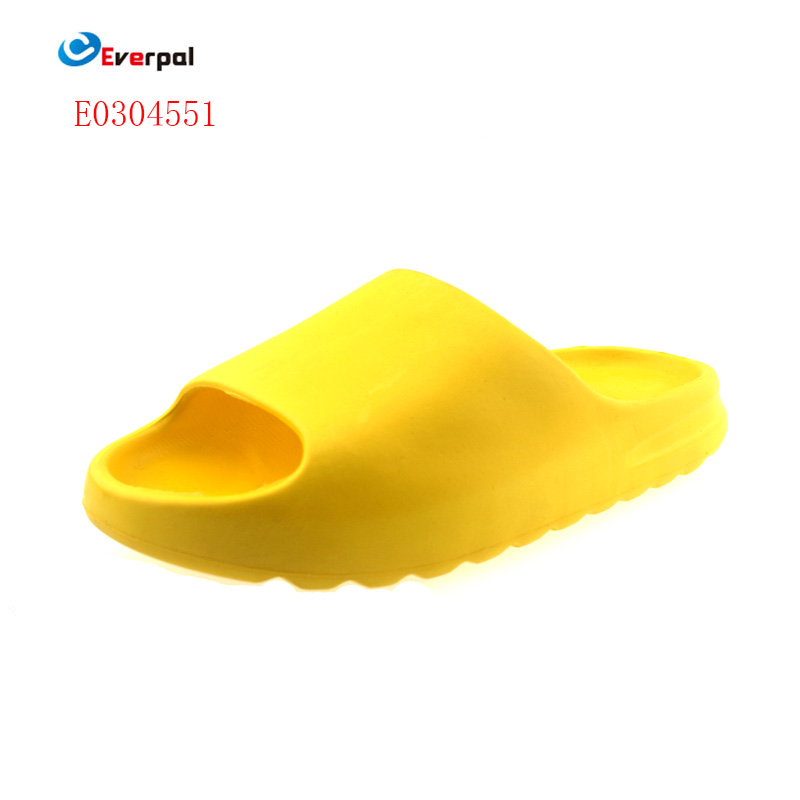
| Slide | Quick on and off, short indoor trips | Low to Medium | High | Can feel loose, less secure on stairs |
| Closed-toe slipper | All-day indoor wear, colder rooms | Medium to High | Low to Medium | May trap heat if lining is too dense |
| Moccasin style | Snug fit, traditional comfort, light support | Medium | Medium | Seams can rub if poorly finished |
| Clog | More structure, quick chores, stable steps | Medium | Low to Medium | Can feel stiff if outsole is too hard |
| Bootie | Winter warmth, cold floors, drafty homes | High | Low | Overheating for warm-footed people |
If you’re buying your first pair, slides are easy but not always safe on stairs. For secure daily wear, closed-toe or moccasin styles often reduce “heel pop-out.”
A slipper’s feel on day one is not the same as its feel after 30 wears. To judge Men's Slippers properly, focus on four zones: upper, lining, insole, outsole.
| Component | Common material | What it does well | What to watch out for |
|---|---|---|---|
| Upper | Suede / microfiber | Looks premium, good structure, decent breathability | Needs proper stitching and edge finishing to avoid fray |
| Upper | Knit / textile | Lightweight, flexible, often more breathable | Can stretch out if collar support is weak |
| Lining | Fleece / faux fur | Warm and cozy in colder months | Heat buildup and odor if you sweat easily |
| Lining | Terry cloth | Better moisture handling, soft without overheating | May pill if fiber quality is low |
| Insole | Memory foam | Instant softness, pressure relief | Low-density foam collapses fast and feels “flat” |
| Outsole | EVA | Lightweight cushioning, quiet steps | May wear faster on rough surfaces if too soft |
| Outsole | Rubber / TPR | Grip and durability, better for wet entryways | Heavier; can squeak on some floors if compound is wrong |
Fit is the #1 reason for returns in Men's Slippers. Use this checklist before you buy (or before you stock a product line).
Comfort should feel stable, not just soft. A slipper that makes your toes “grab” to stay on will fatigue your feet.
Slippers that look great can still be dangerous. For Men's Slippers used on tile, hardwood, or marble, traction design matters more than thickness.
People often assume slippers are “disposable.” Good Men's Slippers shouldn’t fall apart in a season. Here are signals that usually predict better durability:
Value is not “the cheapest price.” Value is fewer replacements, fewer returns, and comfort that stays consistent.
Odor and flattening are the two biggest “after purchase” frustrations with Men's Slippers. Simple habits can extend their life:
If you’re stocking Men's Slippers for retail or building a private label line, quality consistency and clear sizing guidance reduce returns more than any single marketing line.
One manufacturer that builds product programs around these priorities is XIAMEN EVERPAL TRADE CO., LTD. For brands, the advantage of working with an experienced footwear supplier is less guesswork: you can refine slipper silhouettes, choose material combinations for specific climates, and align traction needs with real household surfaces. If you’re exploring a men’s slipper assortment, you can review a dedicated product selection and then customize details like lining warmth, insole feel, outsole pattern, and logo application to match your market needs.
Q: How do I choose between open-toe and closed-toe Men's Slippers?
A: Open-toe styles feel cooler and are easy for quick wear, especially in warm climates or for people who run hot.
Closed-toe styles are better for cold floors and all-day wear because they keep warmth in and usually feel more secure on the foot.
Q: What outsole is safest for tile floors?
A: Rubber and quality TPR outsoles often provide more reliable grip on smooth tile than very hard plastics.
Also check that the tread has real depth, not just a shallow pattern.
Q: Why do some slippers lose cushioning so fast?
A: Low-density foam compresses quickly, especially if you wear slippers for many hours a day.
Look for thicker insoles, multi-layer constructions, or materials designed for rebound rather than pure softness.
Q: I’m between sizes, should I size up or down?
A: If you wear socks, sizing up is often safer. If you prefer barefoot wear and the upper is flexible,
you may be able to choose the smaller size for a more secure fit. The key is avoiding toe crowding and heel pop-out.
Q: How can I reduce odor in Men's Slippers?
A: Rotate pairs, air-dry daily, and keep bathroom use separate when possible. Materials like terry lining can help
with moisture handling. A gentle deodorizing routine works better long-term than harsh sprays.
Q: Can Men's Slippers be used outdoors?
A: Some can handle short outdoor steps (like taking out trash) if they have durable outsoles.
However, regular outdoor use accelerates wear and can reduce hygiene and comfort. If you need frequent outdoor use,
pick a structured outsole and tougher upper materials.
The right pair of Men's Slippers should feel secure, stay comfortable after weeks of wear, and match your home surfaces. If you’re building a product line or sourcing for retail, prioritize consistent sizing, traction, and material transparency.
Copyright © 2022 Xiamen Everpal Trade Co., Ltd - Flip Flops, Sandals Slippers, Slides Slippers - All Rights Reserved.