Slipper

How Do Men's Clogs Slippers Deliver All-Day Comfort Without Feeling Bulky?

2026-01-22 - Leave me a message

Abstract: Men's clogs slippers look simple, but the right pair can solve real daily annoyances: sore feet after standing, slippery floors, sweaty odor, heel pain, and the constant “too tight / too loose” sizing drama. This guide breaks down what actually matters—fit, support, materials, grip, and care—so you can pick a pair that feels comfortable at home, in the yard, or on quick errands. You’ll also find a quick comparison table, a buying checklist, and practical FAQs.
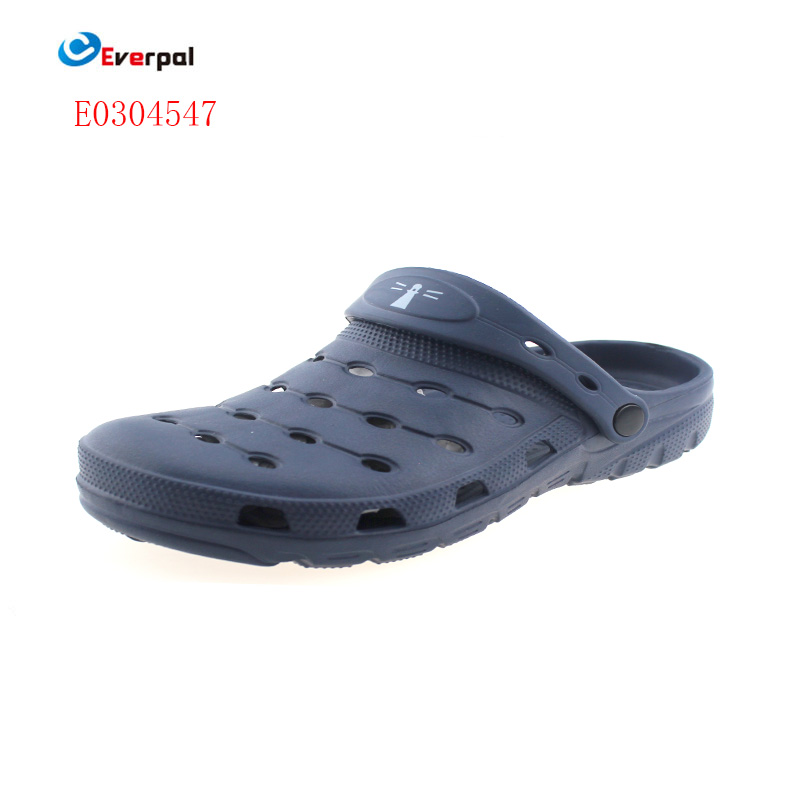

Table of Contents

  1. Outline
  2. Common Pain Points With Men's Clogs Slippers
  3. What to Look For Before You Buy
  4. Fit and Sizing That Actually Works
  5. Materials and Lining Options Explained
  6. Support, Cushioning, and Sole Grip
  7. Choosing by Use Case: Indoor, Outdoor, Work, Travel
  8. Quick Comparison Table
  9. Cleaning and Care: Keep Them Fresh Longer
  10. Mistakes to Avoid
  11. FAQ
  12. Next Step

Outline

  • Why many “comfortable” clogs still cause foot fatigue
  • How to match your foot shape to the right clog structure
  • Which materials stay breathable, easy to clean, and durable
  • What “support” means (and what marketing words don’t)
  • How to avoid slipping, odor, and heel rubbing
  • A practical table to compare options fast
  • Simple maintenance habits that extend lifespan

Common Pain Points With Men's Clogs Slippers

Men's Clogs Slippers

People buy Men's Clogs Slippers for convenience—slip on, slip off, done. But “easy” doesn’t always mean “comfortable,” especially if you wear them for hours. Here are the most common problems buyers run into:

  • Foot fatigue after standing: A soft footbed can feel nice for 10 minutes, then collapse and leave your arches unsupported.
  • Heel rubbing: A stiff heel cup or poorly shaped back edge can cause irritation, especially if you walk fast or climb stairs.
  • Slipping on smooth floors: Outsole patterns that look deep may still slide on wet tile, polished concrete, or kitchen floors.
  • Sweaty odor: Closed-toe clogs trap heat; some materials hold moisture and smell quickly.
  • Wrong width: Too narrow pinches; too wide makes your foot “swim,” leading to instability and awkward gait.
  • Unclear use case: A pair made for indoor lounging won’t survive yard work; an outdoor pair might feel heavy indoors.

The goal isn’t to find the “softest” pair. It’s to find a pair that fits your foot shape, supports your weight, and matches where you’ll actually wear them.


What to Look For Before You Buy

When shopping Men's Clogs Slippers, focus on five fundamentals. If a product description is vague on these, that’s a red flag.

  • Footbed structure: Look for a contoured footbed (not flat foam) if you’ll stand or walk for long periods.
  • Toe box space: Your toes should spread naturally. Tight toe boxes can cause hot spots and numbness.
  • Heel stability: A slightly raised rim or heel cup helps reduce sliding and improves control.
  • Outsole traction: Grippy rubber or well-designed tread patterns matter more than “chunky” looks.
  • Breathability & moisture management: Venting, quick-dry materials, or moisture-wicking lining prevents odor buildup.

If you want a simple rule: choose support for time, choose softness for short wear. The longer you wear them, the more you should prioritize structure and stability.


Fit and Sizing That Actually Works

Fit is the difference between “I love these” and “why do my feet feel weird?” Here’s a practical sizing guide for Men's Clogs Slippers that works across most styles:

  • Length: Your longest toe should not press the front. Leave a small buffer space so your foot can move naturally when walking.
  • Width: If the sides squeeze, you’ll feel pressure after 30–60 minutes. If the sides gap too much, you’ll slide and over-grip with your toes.
  • Instep height: A higher instep needs more room under the top of the clog. Tight instep pressure causes numbness and discomfort.
  • Socks vs. barefoot: Decide your default. If you plan to wear socks in winter, size accordingly—don’t guess.

Quick at-home test: Put them on and walk up and down a hallway for two minutes. If you feel your heel lifting excessively, your foot might be too narrow for that shape, or the upper is too loose.

Tip for wide feet: Choose designs that have a naturally wider toe box or flexible uppers, rather than forcing a standard width to “break in.” If it’s painful on day one, it usually stays painful.


Materials and Lining Options Explained

Materials determine comfort, smell, cleaning effort, and durability. Most Men's Clogs Slippers fall into these categories:

  • EVA or foam-based clogs: Lightweight, water-friendly, easy to rinse. Great for quick errands, showers, or warm climates. Some versions feel bouncy; lower-density foam can compress faster.
  • Rubber outsoles with soft uppers: Better traction and durability, often heavier. Good for outdoor steps and everyday walking.
  • Faux fur / fleece lining: Warm and cozy, best for indoor use or cold weather. Needs more care to avoid odor and matting.
  • Textile linings (mesh, knit): More breathable than fleece, often faster drying. Great if you hate sweaty feet.
  • Leather or suede-like uppers: Comfortable and classic look, but not always ideal for wet environments unless treated. Cleaning can be more delicate.

Choose lining based on your climate: If your feet run hot, prioritize breathability and moisture control. If you want warmth, go for plush lining—but commit to regular airing and cleaning.


Support, Cushioning, and Sole Grip

This is where comfort becomes “all-day comfort.” A cushy feel is nice, but without support, your feet can get tired fast. Here’s what to pay attention to:

  • Arch contour: A gentle support curve reduces strain if you stand a lot. Flat foam can feel soft but may increase fatigue over time.
  • Heel cushioning: Useful if you experience heel soreness. Look for a slightly thicker heel zone or shock-absorbing structure.
  • Midfoot stability: A stable platform prevents your foot from rolling inward/outward too much, improving comfort for walking.
  • Outsole tread: For kitchens, garages, and patios, traction matters. A deeper tread with channeling can help on wet surfaces.

Reality check: If you want one pair that does everything, choose a balanced design—moderate cushioning, supportive footbed, and a grippy outsole—rather than the softest option available.


Choosing by Use Case: Indoor, Outdoor, Work, Travel

Not every pair of Men's Clogs Slippers should be your “do-everything” shoe. Pick based on where you’ll wear them most:

  • Indoor lounging: Prioritize warmth, softness, quiet soles, and breathable lining (to prevent odor).
  • Quick errands: Prioritize stability, toe protection, and dependable traction. You’ll walk faster than you think.
  • Yard / garden: Prioritize water resistance, rinse-clean materials, and a tougher outsole.
  • Standing at home (cooking, workshop): Prioritize arch support and a stable footbed, not just plush lining.
  • Travel: Prioritize lightweight construction, easy packability, and quick cleaning.

If you’re buying for a specific scenario, don’t let “looks” override function. Your feet will vote—loudly—after day three.


Quick Comparison Table

Type Best For Comfort Strength Watch Out For Care Level
EVA/Foam Clogs Shower, quick errands, warm weather Lightweight, easy slip-on feel May compress over time; breathability varies Easy (rinse & air dry)
Rubber Outsole + Soft Upper Outdoor steps, everyday walking Better traction and stability Can feel heavier indoors Medium
Plush Lined Clogs Cold homes, winter comfort Warmth, cozy feel Odor buildup if not aired; lining can mat Medium to High
Breathable Textile Lined All-season indoor wear, hot feet Less sweat, quicker drying May feel less warm in winter Medium

Cleaning and Care: Keep Them Fresh Longer

The easiest way to make Men's Clogs Slippers last is simple: keep them dry and clean before odor becomes “permanent.”

  • Air them out daily: Especially if lined. Moisture is the main cause of smell.
  • Use socks strategically: Socks reduce sweat buildup and keep lining cleaner longer.
  • Spot clean early: Dirt that sits becomes harder to remove—and can stiffen materials.
  • Deep clean when needed: Rinse-clean clogs are simplest. For lined pairs, gentle cleaning plus full drying is key.
  • Rotate pairs: If you wear them daily for long hours, alternating helps them dry and reduces odor.

Odor emergency tip: If you notice smell starting, don’t ignore it. Air dry fully, then use a mild deodorizing routine (like letting them sit in a dry, ventilated area) before it gets worse.

Mistakes to Avoid

Men's Clogs Slippers

  • Buying only for softness: Ultra-soft foam can flatten quickly and lead to fatigue.
  • Ignoring the outsole: Slipping on smooth floors is a safety issue, not a minor inconvenience.
  • Choosing a tight top “to feel secure”: Instep pressure becomes painful after long wear.
  • Assuming one pair fits every season: Warm lining in summer can become sweaty fast.
  • Skipping your real use case: Indoor slippers and outdoor clogs are not always the same thing.

FAQ

  • Are Men's Clogs Slippers good for plantar fasciitis or heel pain?
    They can be, if the footbed has real arch support and stable heel cushioning. Avoid flat, collapsing foam for long standing. If you’re unsure, choose a more structured footbed and test with short wear sessions first.

  • Should I size up or true to size?
    Start with your usual size, then adjust based on socks and width. If you plan to wear thicker socks, sizing up can help. If you’re between sizes and hate heel lift, consider the smaller option—provided your toes aren’t cramped.

  • What’s better: lined or unlined?
    Lined is warmer and cozy; unlined is cooler and easier to clean. If your feet run hot or you live in a warm climate, unlined or breathable lining often feels better.

  • Can I wear them outside regularly?
    Yes—if the outsole is durable and grippy. For frequent outdoor use, prioritize traction and tougher materials, and avoid delicate linings that trap dirt and moisture.

  • How do I reduce slipping inside the clog?
    Look for a stable heel cup, proper width, and a footbed with texture or contour. Socks can also reduce skin-on-material sliding.

  • How do I keep them from smelling?
    Air them out, keep them dry, and clean early. Lined styles need more attention—rotation helps a lot if you wear them daily.


Next Step

If you want a pair of Men's Clogs Slippers that feels comfortable for real life—not just for a quick try-on—start with your main use case, then match it to fit, support, breathability, and outsole grip. Those four decisions solve most comfort complaints before they even start.

For buyers who need consistent quality, flexible styling options, and reliable supply support, Xiamen Everpal Trade Co., Ltd. offers men’s footwear solutions designed for everyday comfort and practical wear. Ready to explore options, sizing guidance, or customization details? Contact us to discuss your requirements and get a tailored recommendation.

Send Inquiry


X
We use cookies to offer you a better browsing experience, analyze site traffic and personalize content. By using this site, you agree to our use of cookies. Privacy Policy
Reject Accept