Article Summary
Buying Women's Winter Slippers should be simple, but real life gets in the way: cold tile floors, sweaty feet, slippery soles, sore arches, annoying seams, and slippers that look cute online but collapse after a few weeks. This guide breaks the decision down into practical, comfort-first steps—so you can choose a pair that stays cozy, feels stable, lasts longer, and fits your daily routine (not a product photo).
Most people do not actually want “the warmest” slippers. They want the pair that solves the specific annoyance they deal with every day. Here are the problems I see most often—and the features that help.
If you can name your top two pain points, you are already 80% of the way to a great choice.
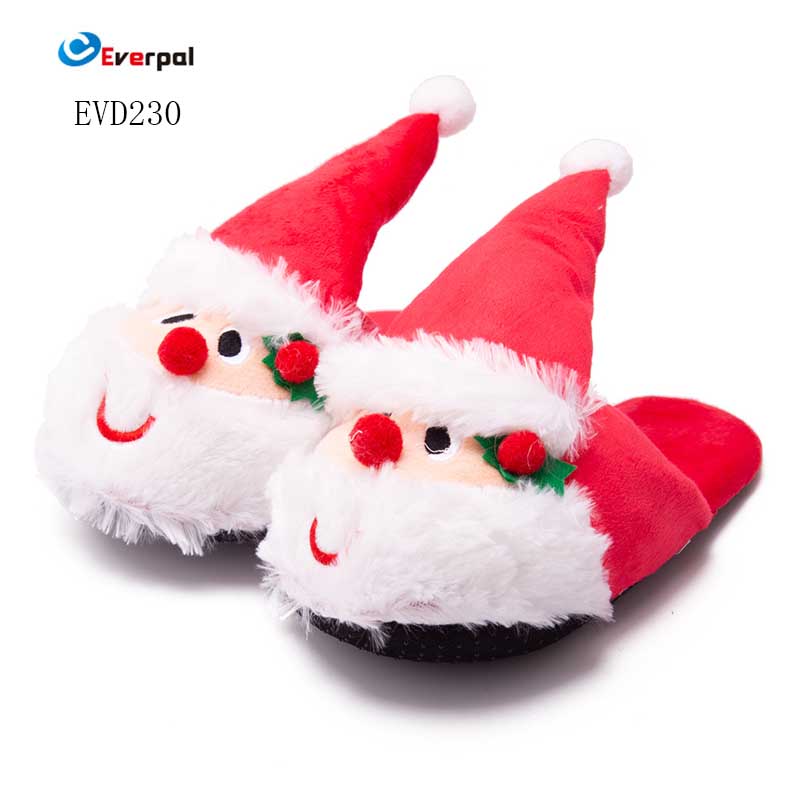
Warm slippers are a system, not a single material. The most comfortable Women's Winter Slippers usually combine three things: insulation, a skin-friendly lining, and a sole that shields you from cold surfaces.
Super fluffy linings can feel amazing for five minutes and then pack down. A better signal is how the slipper is built: the density of cushioning, how the lining is attached, and whether the footbed keeps its shape after repeated wear.
Overheating is one of the most common reasons people stop wearing winter slippers. When feet sweat, warmth turns into discomfort, and discomfort turns into “I guess I will just wear socks.” If you tend to run warm, focus on temperature balance instead of maximum insulation.
If your home is chilly but not freezing, choose a slipper that feels comfortable with thin socks. If your home is truly cold, choose a slipper that feels comfortable with medium socks and still has toe wiggle room.
A slipper can be cozy and still be the wrong choice if it makes you unstable. This matters a lot if you move fast in the morning, carry laundry on stairs, or spend time cooking and cleaning.
If your arches or heels get tired, avoid slippers that compress into a pancake. A supportive slipper usually has a footbed that rebounds, plus enough structure to keep your foot from rolling inward or outward too much.
Many people think they need an outdoor sole because it sounds more durable. But the best choice depends on what you actually do.
One note: indoor-outdoor soles can sometimes feel firmer. If you want that convenience without losing comfort, focus on the footbed quality rather than chasing the thickest outsole.
A surprising number of slipper complaints are really fit problems. Winter materials can be thicker, and sizing can vary by brand and silhouette. Use these quick fit cues to avoid returns and regret.
Materials matter because they influence warmth, breathability, cleaning, durability, and even how “luxurious” a slipper feels. Use this table to match features with your lifestyle.
| Component | Popular Options | Why People Like It | Watch-Out | Best For |
|---|---|---|---|---|
| Upper | Faux suede, knit, felt-like fabrics, plush textiles | Comfortable feel, cozy look, often flexible | Some fabrics attract lint or pet hair | Bedroom lounging, everyday indoor wear |
| Lining | Faux fur, sherpa-like textures, fleece, soft fabric linings | Warmth and softness against skin | Can overheat if fully sealed; may mat down over time | Cold floors, winter mornings, gift-friendly comfort |
| Footbed | Memory-style foam, molded footbeds, layered cushioning | Reduces fatigue and adds “ahh” comfort | Very soft foam can flatten fast | Long standing at home, cooking, chores |
| Outsole | Textured rubber, EVA, TPR, mixed materials | Grip, durability, outdoor steps | Some can feel firmer or less quiet indoors | Tile floors, stairs, quick trips outside |
Even the best slippers will look tired if you treat them like disposable socks. A few habits keep them fresh and help them hold their shape.
If you are buying for a store, a gifting program, or simply want a pair that holds up, asking the right questions helps you avoid “looks great, fails fast.” In my view, the biggest quality signals are stitching consistency, lining attachment, footbed rebound, and outsole bonding.
This is also where a manufacturer’s process matters. XIAMEN EVERPAL TRADE CO., LTD is one example of a footwear supplier that focuses on women’s slipper categories, and for buyers that can mean clearer product options, more stable production experience, and better communication on sizes, colors, and practical use cases.
If your main problem is cold floors, closed-toe styles usually hold warmth better. If you overheat easily or want easy on-and-off, a mule or open-back style can be more comfortable.
Prioritize a textured outsole pattern and a stable base. If the outsole looks almost smooth, it is more likely to slide on polished surfaces.
Choose a less sealed silhouette, look for a lining that feels breathable, and make sure there is enough room to avoid compressing insulation tightly against the foot. Air-drying after wear also makes a big difference.
Often yes, especially if the lining is thick. The safest approach is to aim for comfortable toe wiggle room while wearing the socks you actually use at home.
They are worth it if you regularly step outside for quick tasks. If you never go outdoors in your slippers, you may prefer an indoor-only sole for softer, quieter comfort.
Support usually feels stable rather than squishy. If you stand and the footbed collapses immediately, you may not get much long-wear comfort. A footbed that rebounds and keeps shape tends to feel better for longer indoor walking.
Replace them when the outsole loses traction, the footbed stays flattened, or the lining becomes uncomfortable. If you wear slippers daily, wear shows up faster.
Look for a warm but not overly tight lining, a stable outsole, and a classic silhouette that works for many foot shapes. Neutral colors tend to be easier to match with homewear.
The best Women's Winter Slippers are the pair you forget you are wearing—because they solve your cold-floor problem, stay comfortable without overheating, and feel safe on the surfaces you walk on every day. Start with your home conditions, choose the silhouette that matches your routine, and use a quick fit and stability check before committing.
If you are sourcing slippers for retail, gifting, or seasonal programs and want options that balance comfort, durability, and practical wear, contact us to discuss styles, sizing ranges, and colorways that match your market.
Copyright © 2022 Xiamen Everpal Trade Co., Ltd - Flip Flops, Sandals Slippers, Slides Slippers - All Rights Reserved.