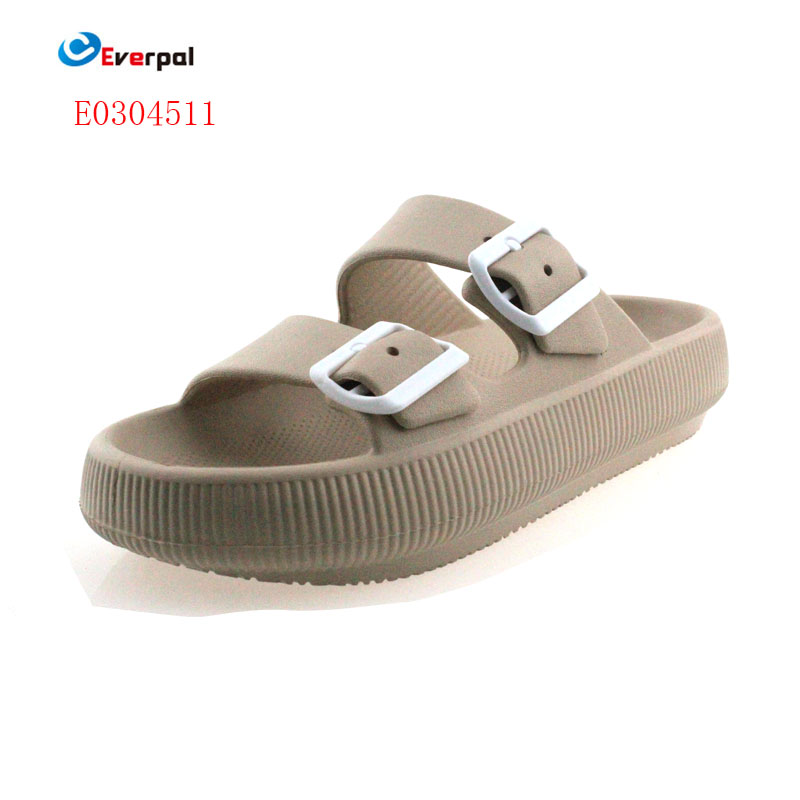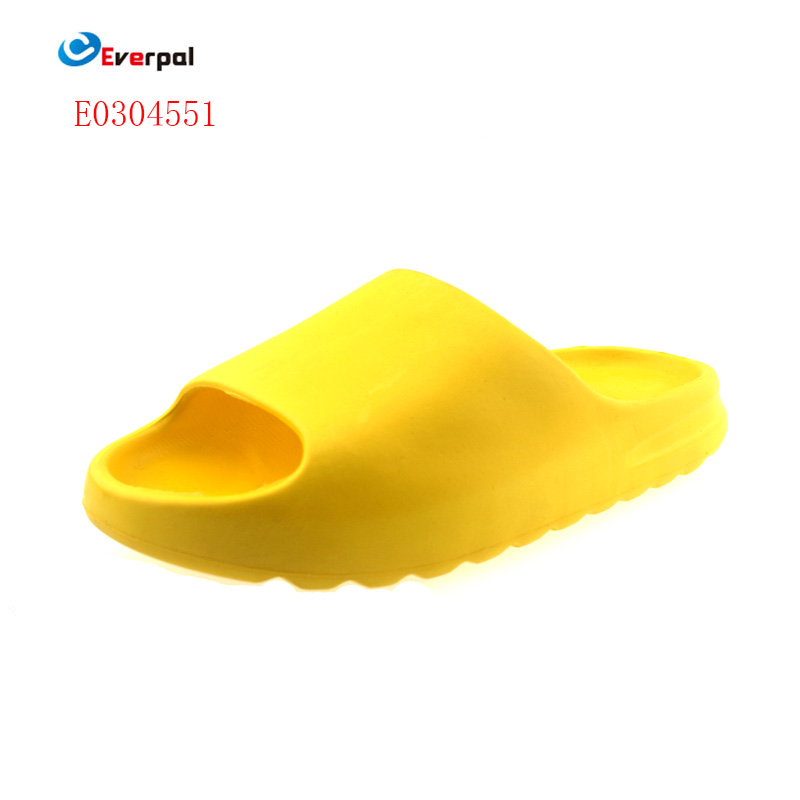
Indoor Slippers have transformed from simple household necessities into essential elements of modern lifestyle comfort. Consumers are increasingly seeking products that combine ergonomic support, aesthetic appeal, and versatile usability. As home environments evolve, manufacturers are adjusting designs to meet demands for durability, softness, and fashion-forward choices, making Indoor Slippers a focal point in casual footwear development.

The evolution of home lifestyles has driven a noticeable change in footwear priorities. Comfort, warmth, and flexibility are no longer optional but expected features for indoor footwear. Families and individuals alike are paying attention to designs that provide proper foot support, ease of wear, and compatibility with diverse floor surfaces.
This trend encourages brands to experiment with new materials and construction techniques while balancing cost-efficiency and high-quality output.
Comfort remains a top criterion for selecting indoor footwear. Padded insoles, soft lining materials, and ergonomic designs help reduce fatigue during extended wear. Attention to foot alignment, arch support, and overall fit is increasingly essential for satisfying modern consumer expectations.
Indoor Slippers are now expected to function seamlessly in various spaces, from bedrooms and living areas to home offices. Slip-resistant soles, flexible construction, and lightweight design contribute to safe, convenient, and enjoyable daily use.
Advancements in material science are playing a pivotal role in shaping indoor footwear quality. EVA and other lightweight, cushioning materials are preferred for their combination of comfort, durability, and ease of cleaning. Additionally, sustainable and environmentally friendly materials are gaining prominence as consumers increasingly value eco-conscious choices.
The use of advanced polymer materials allows manufacturers to produce slippers that are soft yet resilient. Lightweight constructions make indoor movement effortless while maintaining structural stability over time. This enhances product longevity and consumer satisfaction.
Environmental awareness is influencing the production and design process. Companies are exploring recycled components, reducing waste, and optimizing production efficiency. These practices not only benefit the environment but also strengthen brand reputation among conscious consumers.
Modern Indoor Slippers are no longer limited to functional roles. Aesthetic appeal, color variety, and innovative designs are becoming integral to product differentiation. Consumers are drawn to patterns, textures, and styles that match home decor and personal taste.
Footwear designers are integrating contemporary patterns, color palettes, and seasonal themes to meet diverse consumer preferences. Personalization options, such as monogramming or choice of lining materials, further enhance product desirability and uniqueness.
Products increasingly combine multiple functional elements, such as memory foam insoles, non-slip outsoles, and breathable fabrics. This approach supports comfort, safety, and practicality for various household scenarios.
The growing focus on home wellness and leisure has expanded the market for Indoor Slippers. Global retail channels, including online platforms, offer increased access to innovative footwear collections. Companies able to combine efficient logistics with strong product design are particularly well-positioned to capitalize on evolving consumer demand.
E-commerce platforms have redefined how footwear products reach consumers. Detailed visual presentations, product reviews, and home delivery options create a seamless purchasing experience. Brands embracing digital strategies gain greater visibility and enhanced customer engagement.
Flexible production capabilities enable brands to offer personalized or themed collections. Customization of color, texture, and fit ensures alignment with consumer preferences, strengthening product appeal and fostering loyalty.
Consistent quality and attention to safety remain core pillars of the indoor footwear industry. Strict monitoring of materials, stitching, molding, and finishing processes ensures reliable performance and durability.
Advanced facilities employ rigorous quality control procedures at every stage, from material selection to final inspection. These practices minimize defects, maintain consistency, and reinforce consumer confidence in product reliability.
Indoor Slippers must provide stable footing and accommodate extended wear. Manufacturers prioritize slip-resistance, cushioning, and flexible construction to ensure comfortable and safe daily use, contributing to long-term satisfaction.
| Focus Area | Current Trends |
|---|---|
| Material Use | Soft, lightweight, and sustainable materials |
| Design Approach | Fashion-conscious yet functional styles |
| Manufacturing | Efficient and consistent production |
| Quality Control | Rigorous monitoring throughout process |
| Market Access | Global distribution via retail and online channels |
| Customization | Personalized features and flexible collections |
Indoor Slippers are expected to continue playing an important role in home comfort and casual lifestyle markets. Innovation in materials, design, and production techniques will drive ongoing growth. Companies that prioritize product durability, aesthetic appeal, and responsiveness to evolving consumer needs are poised to maintain competitive advantage.
The increasing popularity of Indoor Slippers underscores the importance of high-quality manufacturing and innovative design. Xiamen Everpal Trade Co., Ltd., with extensive experience in EVA slippers, sandals, and customized footwear solutions, remains a key player in delivering products that combine comfort, style, and reliability. Their commitment to quality and innovation continues to support global markets while setting benchmarks for modern indoor footwear.
Copyright © 2022 Xiamen Everpal Trade Co., Ltd - Flip Flops, Sandals Slippers, Slides Slippers - All Rights Reserved.