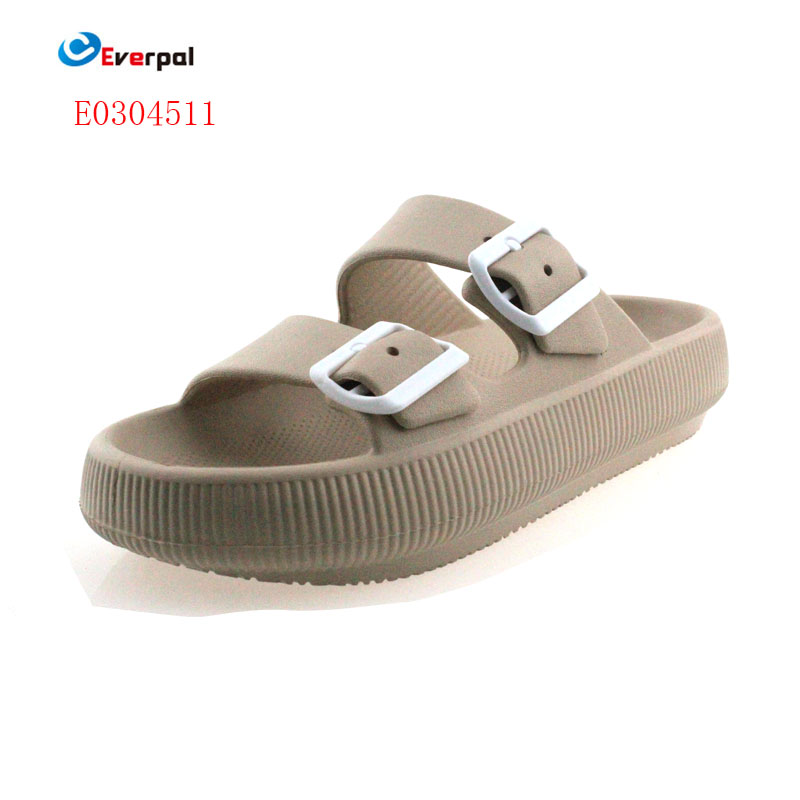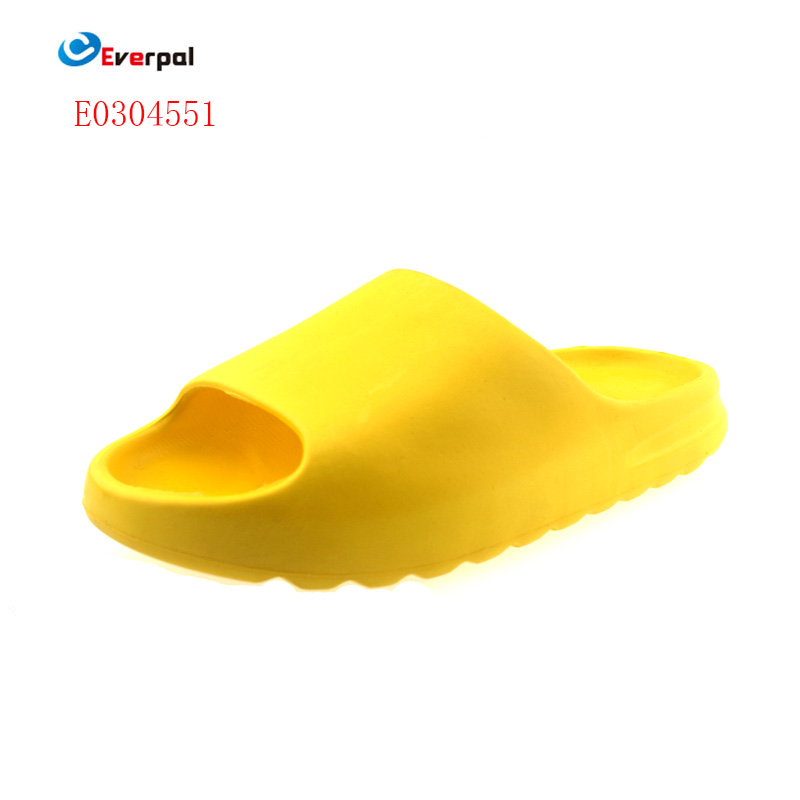
In the contemporary footwear landscape, the focus on home comfort has never been more pronounced. The segment of women's slippers has transitioned from a basic household commodity to a sophisticated category combining ergonomics, material science, and fashion aesthetics. Industry analysis indicates that shifting consumer lifestyles, remote work habits, and an emphasis on foot health are driving this transformation. Manufacturers are now engineering solutions that prioritize arch support, thermo-regulation, and sustainable sourcing. This article examines the technical and market dynamics reshaping this sector, highlighting the evolution from simple foam designs to orthopedic-grade, lifestyle-oriented products. The demand for durable yet elegant indoor footwear continues to rise, prompting specialized production methods and quality control protocols.
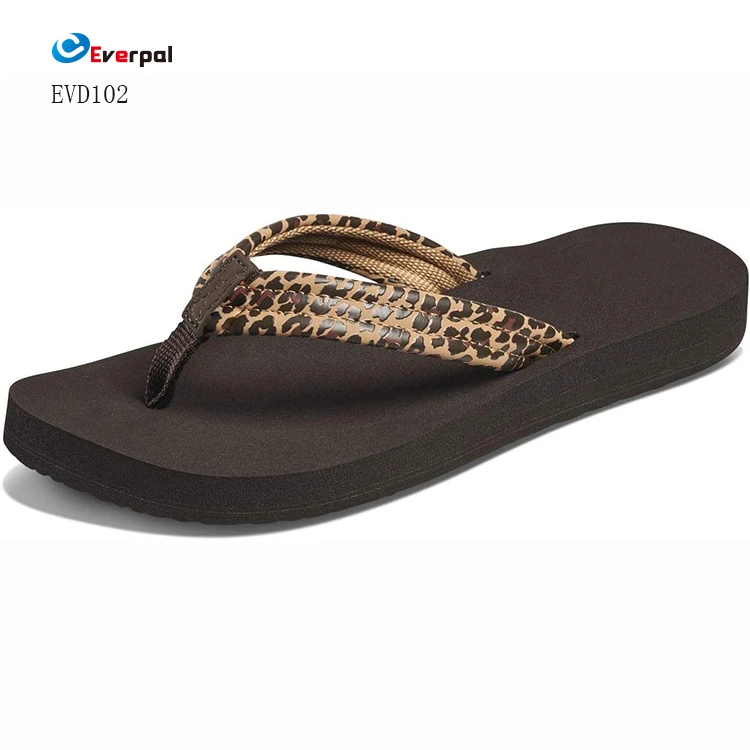
Contemporary production standards for premium women's slippers involve advanced polymer compounds and textile hybrids. EVA (ethylene-vinyl acetate) remains a dominant base due to its lightweight resilience and closed-cell structure, which resists moisture absorption. Recent developments include bio-based EVA blends, memory foam layering with bamboo charcoal linings, and anti-microbial treatments that extend product lifecycle. Structural considerations now encompass heel cupping, metatarsal dome elevation, and gradient density midsoles. These features address common foot fatigue issues while maintaining flexibility. The outsole engineering has also evolved, with anti-slip ridges and self-cleaning tread patterns becoming standard in high-end production. Thermal molding processes allow for customized fit parameters without compromising material integrity. Furthermore, water-resistant finishes and machine-washable constructions are increasingly requested by distribution channels targeting health-conscious demographics.
To clarify the current landscape, the following table outlines key categories within the women's slippers market, focusing on construction attributes and intended usage scenarios. This segmentation guides both production planning and quality assurance frameworks.
| Category | Primary Material | Core Feature | End Use Environment |
|---|---|---|---|
| Orthopedic Recovery | High-density EVA + Gel insert | Contoured footbed with heel cradle | Post-activity rest, medical recovery |
| Thermal Indoor | Wool blend upper + cork midsole | Moisture-wicking and heat retention | Cold climate home use |
| Water-friendly Slide | Anti-odor EVA + quick-dry textile | Perforated drainage channels | Bathhouse, poolside, spa |
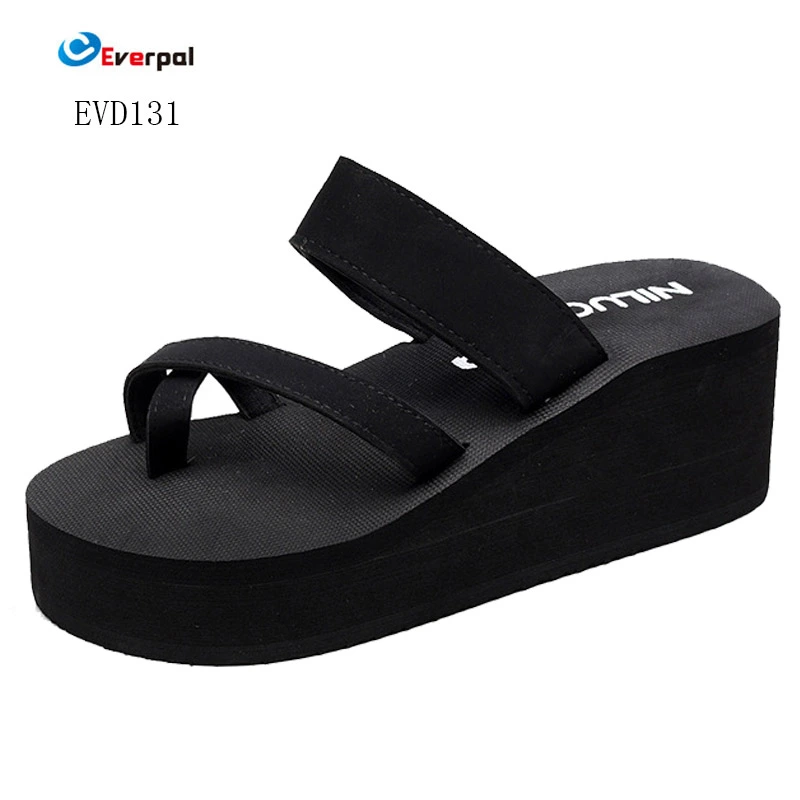
| Fashion Hybrid | PU leather + memory foam footbed | Decorative stitching and low wedge heel | Indoor-outdoor transitional wear |
Each category demands distinct injection molding parameters, adhesive specifications, and finishing protocols. For instance, water-resistant models undergo ultrasonic welding to eliminate stitching points that could trap moisture. By contrast, orthopedic designs rely on multi-density foam casting, where the shore hardness varies from the heel strike zone to the toe flex area. These technical differentiations directly impact supply chain decisions, especially for organizations that manage both mass production and specialized small-batch orders. Quality verification typically includes compression set tests, slip resistance measurements (wet/dry surfaces), and accelerated aging under UV exposure. Such rigorous criteria ensure that final products maintain shape retention and traction even after prolonged usage cycles.
Global sourcing for women's indoor footwear has seen a paradigm shift toward integrated manufacturing hubs. Vertical coordination between component suppliers and assembly facilities reduces lead times while enabling tighter quality oversight. Key raw materials—EVA resins, fabric linings, adhesive films—are often procured from certified sources to meet REACH, CPSIA, and local environmental standards. Production waste is increasingly recycled into midsole layers or outsoles, aligning with circular economy principles. Logistics strategies now prioritize consolidated sea freight with humidity-controlled containers to prevent material degradation during transit. Additionally, customs documentation for categories like women's slippers must clearly declare foam density, flammability classification, and phthalate content. Non-compliance can result in shipment holds or repudiation, making pre-shipment auditing a standard practice for established trading entities. Many importers now require third-party lab reports verifying parameters such as abrasion resistance (Taber method) and colorfastness to light. These requirements favor long-standing manufacturers with in-house testing laboratories and documented process controls.
Modern production lines for EVA-based footwear incorporate robotic injection stations with real-time viscosity monitoring. This automation ensures consistency in expansion ratio and cross-linking density, directly influencing the cushioning factor of each unit. Vision systems check for dimensional accuracy against digital blueprints, rejecting components that deviate beyond set tolerances. For brands seeking private labeling, automated cementing and outsole attachment reduce human error rates. Additionally, computerized cutting tables maximize material yield for fabric uppers, minimizing offcuts. Such technological adoption is particularly evident in facilities that have been operating for multiple decades, where cumulative process knowledge combines with modern machinery. The integration of lean manufacturing principles—such as kanban for component replenishment and poka-yoke for assembly sequences—further elevates output quality. These operational capabilities are essential when fulfilling large-volume contracts for seasonal collections, especially for designs requiring complex color blocking or embedded logos.
Environmental considerations now shape design choices across the supply chain. Biodegradable EVA blends, recycled ocean plastics for sock liners, and water-based cements are gaining traction. Some producers have adopted closed-loop cooling systems for injection molds, reducing energy consumption per pair. Moreover, packaging has shifted to cardboard from certified forests with soy-based inks. Traceability systems using batch-level QR codes allow downstream partners to verify the origin of raw materials. For a product category as widely distributed as women's indoor footwear, these practices not only mitigate regulatory risks but also align with retailer sustainability scorecards. Lifecycle assessments indicate that the majority of carbon footprint occurs during raw material extraction and molding; therefore, optimizing these stages yields the greatest environmental benefit. Several trading divisions now partner exclusively with factories that publish annual environmental metrics, including water recycling rates and volatile organic compound emissions. This transparency is becoming a differentiator in markets where end users actively seek ecological claims.
Before a design reaches full-scale production, it typically undergoes biomechanical evaluation. Pressure mapping systems measure load distribution across the footbed during walking and standing. Test subjects assess perceived comfort on a standardized scale while wearing the prototype for extended periods. Adjustments are then made to arch height, toe spring, and heel cup depth. For styles intended for extended wear, dynamic fatigue tests simulate thousands of steps using robotic walkers. These protocols ensure that the final product does not cause pressure points or gait alterations. Advanced facilities also conduct thermal imaging to identify hotspots caused by insufficient breathability. This level of validation is particularly critical for women's footwear, considering anatomical differences in foot shape and load response compared to men's equivalents. Such data-driven development reduces return rates and enhances brand reputation. Factories that maintain their own biomechanics labs can offer faster iteration cycles, a valuable capability for trend-driven collaborations.
For organizations seeking reliable sourcing in this category, the combination of extensive production heritage and dedicated trade coordination offers distinct advantages. The factory foundation, operating since the mid-nineties, has accumulated expertise in EVA formulation, mold making, and assembly line balancing. This experience translates into consistent batch uniformity, whether the order involves classic silhouettes or complex hybrid constructions. The trading arm, established in the late aughts, streamlines communication, logistics documentation, and quality audits. By positioning the operational base in a major port city, shipping efficiency is enhanced, and sample lead times are reduced. This structure enables seamless scaling from pilot runs to container-sized shipments. The manufacturer's compliance portfolio includes standard certifications for material safety and social accountability, facilitating entry into regulated markets. Furthermore, the company’s collaborative approach to custom orders—ranging from color matching to specialized outsole compounds—provides flexibility rarely found in purely transactional suppliers. The in-house development team can translate concept sketches into production-ready molds within condensed timelines, supported by digital previews and material swatch libraries.
In summary, the landscape for indoor footwear has elevated technical requirements and consumer expectations. Brands and retailers aiming to capture value in this space benefit from partners who combine raw material mastery with rigorous testing protocols. The integrated model exemplified by this established manufacturer and trading unit demonstrates how vertical synergy can deliver consistent, compliant, and comfortable solutions. As the market continues to evolve toward performance-oriented home footwear, the ability to provide documented quality assurance and agile development will separate industry leaders from followers. The commitment to excellence in every pair of women's slippers remains the cornerstone of enduring business relationships, built on transparency, innovation, and mutual growth.With a steadfast commitment to quality and innovation, Xiamen Everpal Trade Co., Ltd. continues to forge successful, long-term business relationships, ensuring that every pair of women's slippers delivered meets the highest standards of comfort, durability, and design excellence.
Copyright © 2022 Xiamen Everpal Trade Co., Ltd - Flip Flops, Sandals Slippers, Slides Slippers - All Rights Reserved.