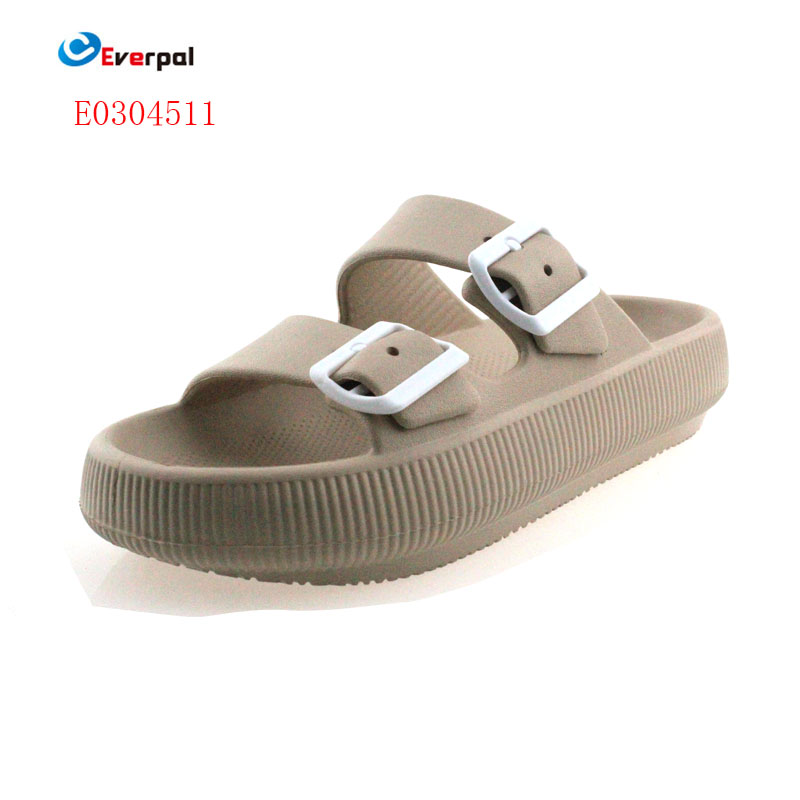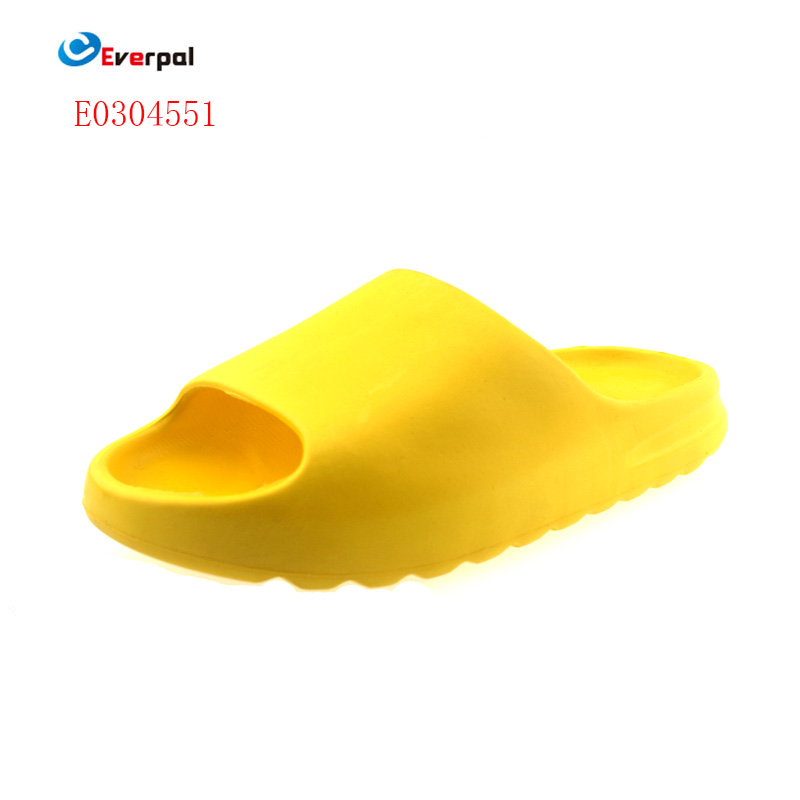
Buying Kids' Slippers sounds simple—until your child slips on tile, refuses to wear them because they “feel weird,” or outgrows them in what feels like a single weekend. This guide breaks down the real-life pain points (fit, grip, materials, odor, and daily wear-and-tear) and turns them into a practical checklist you can use in minutes. You’ll also learn what to ask a supplier or manufacturer so you get consistent quality when ordering for retail, promotions, or e-commerce.
Most complaints about Kids' Slippers fall into a few predictable buckets. The good news is that predictable problems are fixable—if you know what to look for.
Common pain points
What a “good” pair solves
Note: If your child has special foot concerns, it’s always wise to consult a pediatric professional for personalized guidance.
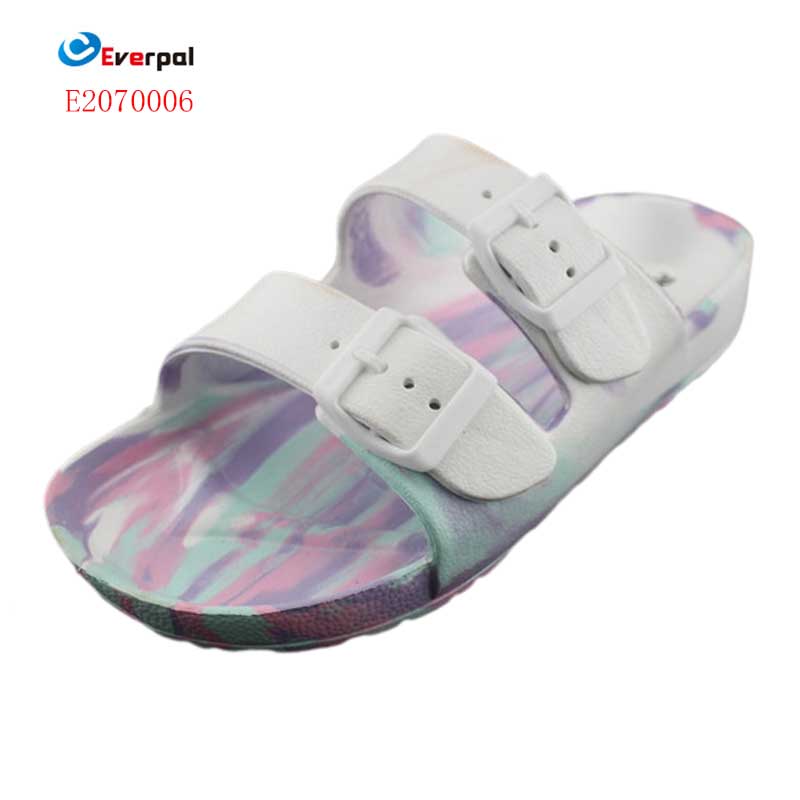
Fit is the make-or-break factor for Kids' Slippers. Too loose and they trip; too tight and they refuse to wear them. Here’s the quickest method I recommend to get a reliable size at home (and to reduce guesswork for online orders).
The 3-minute fit check
A helpful rule of thumb: if the heel lifts a lot while walking, the slipper is too loose; if toes feel crowded, size up.
For retail buyers, returns often come from unclear sizing information. If you’re selling Kids' Slippers, include: a simple measurement graphic, a “how it should feel” note, and an honest suggestion about wide feet.
People assume any indoor footwear is safer than socks, but that’s not always true. A lightweight slipper with the wrong outsole can still slide. If your home has tile or polished wood, outsole design matters as much as the material.
What to look for in a safer sole
Also, consider routine: does your child sprint from bedroom to bathroom? Do they carry toys and lose balance easily? The best Kids' Slippers aren’t just “non-slip”—they match how your kid actually moves.
Comfort is sensory. One child loves plush fleece; another says it’s “scratchy” and refuses it forever. Material choices also affect durability, cleaning, and how quickly odors build up.
| Material Area | What It Changes | Practical Tip |
|---|---|---|
| Inner lining | Warmth, softness, sweat feel | Choose smoother linings for sensitive kids; avoid bulky seams that rub. |
| Upper fabric | Breathability, shape, durability | Look for fabrics that keep structure without feeling stiff on the top of the foot. |
| Insole cushioning | Comfort on hard floors | Thicker isn’t always better—too soft can feel unstable; aim for balanced support. |
| Outsole | Grip and longevity | Prioritize traction patterns and wear resistance for high-traffic homes. |
If you’re sourcing Kids' Slippers for a store or a brand, ask suppliers for consistent material specs and testing options (for example, material declarations and performance checks). Consistency is what protects your reviews—and your return rate.
One “all-year” slipper often disappoints. Warm plush pairs can get sweaty in spring; thin pairs can be miserable in winter. The right approach is to match slipper type to climate and routine.
Cooler months
Warmer months
If your child’s feet run hot, prioritize breathability. If they get cold easily, prioritize warmth—but keep traction non-negotiable. The “best” Kids' Slippers are the ones your child will actually wear daily.
Let’s be real: children’s slippers live a hard life. They pick up crumbs, art supplies, mystery liquids, and somehow sand. Easy care isn’t a luxury—it’s a survival feature.
Simple care habits that help
When shopping for Kids' Slippers, I like materials that don’t trap moisture and designs that dry quickly. For buyers, “easy to clean” is a selling point that parents immediately understand—because they live it.
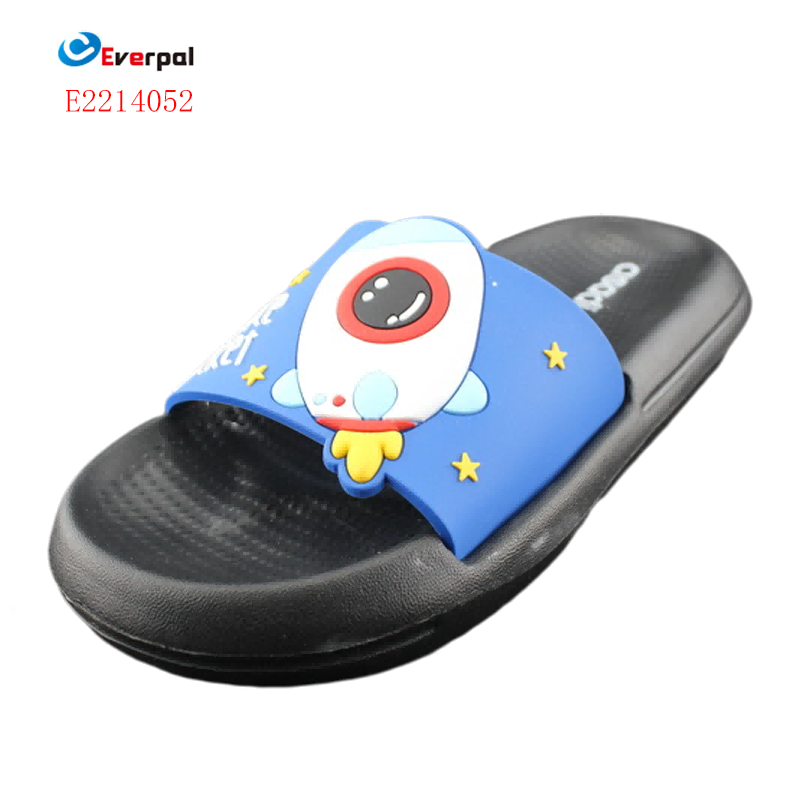
Use this table as a fast filter when comparing options. The goal is not perfection—it’s the best match for your home and your child.
| Need | Best Feature to Prioritize | Common Mistake to Avoid |
|---|---|---|
| Slippery floors | Textured, grippy outsole + stable shape | Choosing only by looks or plush thickness |
| Sensitive feet | Smoother lining + minimal seams | Ignoring rubbing points near toes and straps |
| Fast growth | Clear sizing chart + sensible movement buffer | Oversizing so much that heels lift and trips happen |
| Messy daily life | Easy-clean materials + faster drying | Buying hard-to-wash fabrics without a plan |
| Busy mornings | Easy-on structure + secure heel | Loose open-back designs that slide off constantly |
If you’re choosing Kids' Slippers for retail, promotions, or your own brand, your customers will judge you on three things: comfort, safety, and whether the product looks “new” after a few weeks. That’s it. Everything else is decoration.
A buyer checklist that prevents headaches
If you need a partner that understands global buyer expectations, XIAMEN EVERPAL TRADE CO., LTD supports a wide range of Kids' Slippers styles and sourcing needs—from everyday home comfort to retailer-friendly designs that prioritize durability and easy care. The smartest buyers don’t just choose a product; they choose a supplier who can deliver the same quality again and again.
Q: How should Kids' Slippers fit if my child is between sizes?
A: Aim for a comfortable fit that allows natural movement without the heel constantly lifting. If the slipper slips off easily, it’s too big; if toes feel crowded, size up and choose a design with better heel security.
Q: Are open-back Kids' Slippers safe for toddlers?
A: It depends on the child’s walking stability and your flooring. For toddlers who shuffle or run on smooth floors, styles with more heel hold often feel safer and more stable.
Q: What’s the best way to reduce slipping on tile?
A: Prioritize outsole traction and tread texture. Socks alone can be slippery; a well-designed outsole that grips tile is usually the biggest improvement.
Q: Why do Kids' Slippers start smelling so quickly?
A: Moisture is the main driver. Better ventilation, faster drying materials, and regular airing-out usually help more than spraying fragrances, which can mask rather than solve the issue.
Q: What should I ask a supplier before placing a bulk order?
A: Ask about sizing standards, material consistency, outsole structure, seam finishing, and how they handle repeat orders so the next batch matches the first one.
Q: Can Kids' Slippers work for indoor and quick outdoor steps?
A: Many families do use them for short trips (like taking out trash), but durability depends on outsole design and materials. If outdoor use is common, choose a sturdier outsole and set expectations clearly for customers.
The right Kids' Slippers make daily life smoother: fewer slips, fewer arguments, fewer returns, and fewer “why is this damp again?” moments. Focus on fit, traction, comfort, and easy care—and you’ll end up with a pair your child actually wears (which is the whole point).
If you’re sourcing reliable Kids' Slippers for your store, brand, or distribution channels, XIAMEN EVERPAL TRADE CO., LTD can help you match styles, materials, and quality expectations to your market. Tell us your target age range, season, price tier, and order plan—then contact us to get product options and a buyer-friendly proposal that fits your needs.
Copyright © 2022 Xiamen Everpal Trade Co., Ltd - Flip Flops, Sandals Slippers, Slides Slippers - All Rights Reserved.