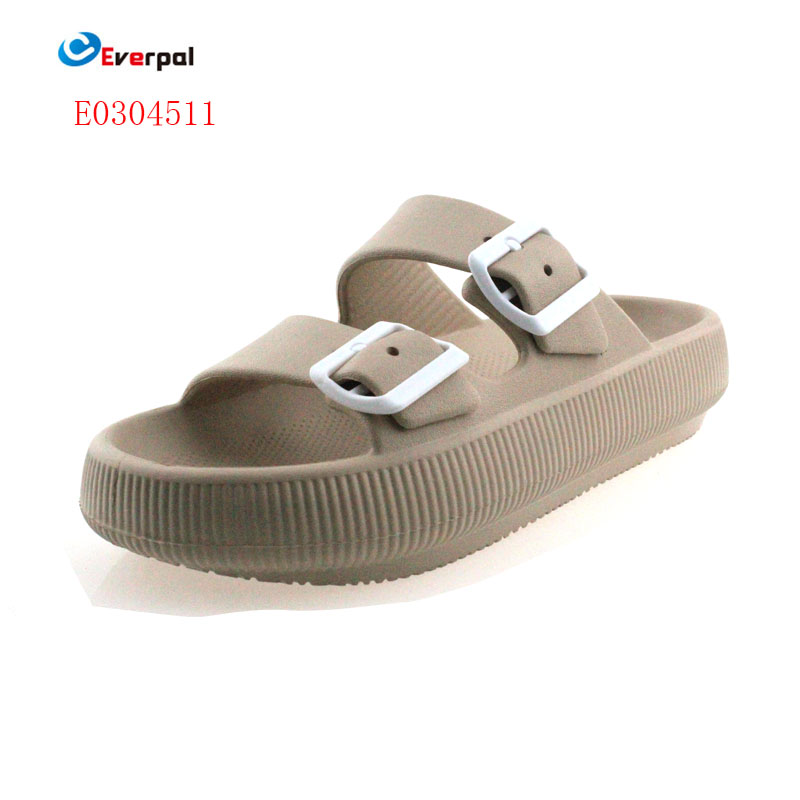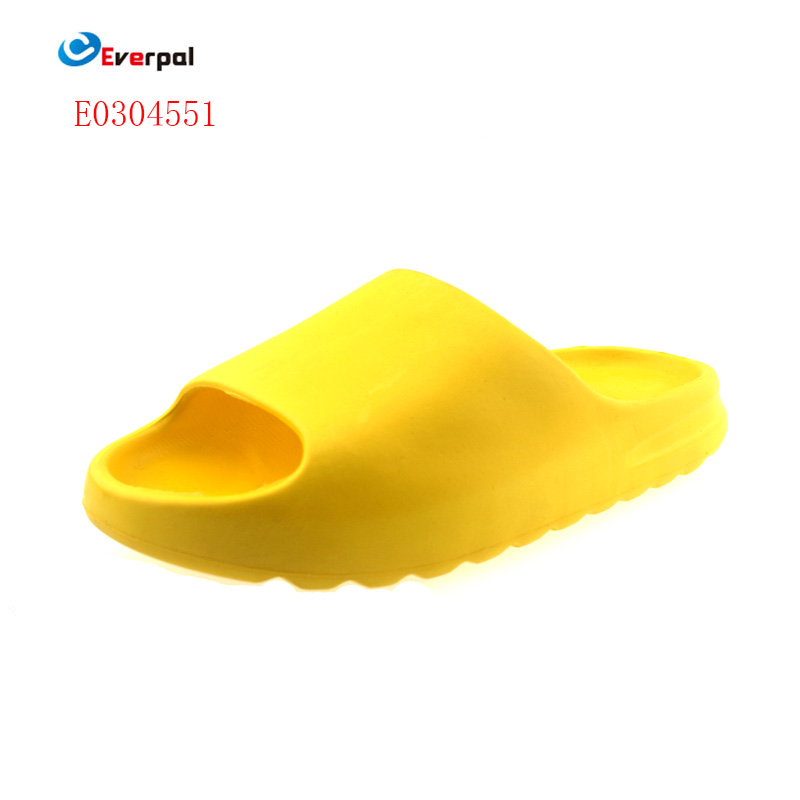
Guests notice the small stuff—especially when they’re tired, jet-lagged, or stepping out of the shower. Hotel Slippers are one of the fastest ways to signal “clean, cared-for, and considered,” yet they’re also a common source of complaints: slippery soles, awkward sizing, thin materials, packaging that looks cheap, or supply that’s inconsistent.
This guide breaks down how to choose slippers that feel better, look better, and work better for housekeeping and purchasing teams. You’ll get a practical checklist, a material comparison table, and straightforward answers to common questions—so you can reduce guest friction without blowing your operating budget.
If you only remember one thing: guests don’t judge slippers like a buyer—guests judge slippers like a barefoot human at their most vulnerable moment. Design for that moment.
When reviews mention slippers, it’s rarely neutral. It’s either “nice touch!” or “never again.” The complaints usually come down to five predictable problems:
Notice how none of these are about “price.” Guests rarely say, “These were cost-optimized.” They say, “This hotel didn’t think about me.” The job of Hotel Slippers is to remove that feeling.
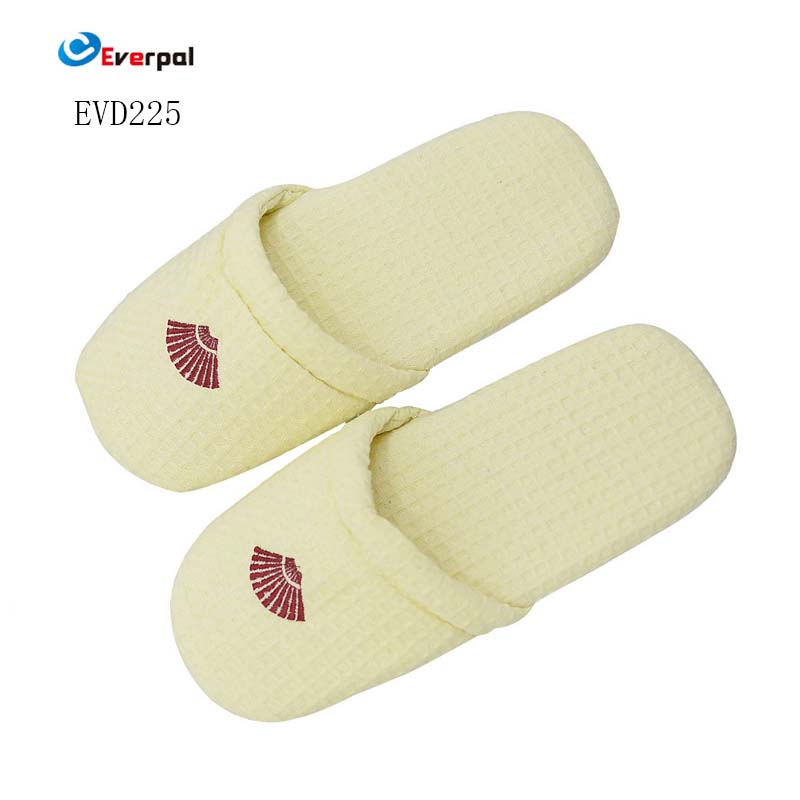
A good slipper isn’t automatically plush and thick. It’s the right balance for your brand, climate, and guest profile. Here’s a simple quality target most properties can use:
Different properties need different slipper builds. A resort spa guest wants softness. A business hotel may prioritize clean lines and efficient restocking. Use the table below to match materials to expectations.
| Option | Best For | Strengths | Watch Outs |
|---|---|---|---|
| Terry cloth upper | Resorts, spas, higher-end comfort focus | Soft feel, cozy look, strong “pampered” signal | Needs good stitching; can feel warm in hot climates |
| Waffle fabric | Modern hotels, minimalist rooms | Clean texture, breathable, looks “premium simple” | Quality varies; too thin can look cheap |
| Non-woven disposable | High-turnover properties, budget rooms | Low unit cost, light storage footprint | Comfort is limited; poor soles can be slippery |
| EVA sole (thicker) | Most properties, especially with tile floors | Better insulation and grip, improved durability | Bulkier cartons; specify thickness to avoid inconsistency |
| TPR sole (anti-slip) | Safety-first, wet areas, family travel | High traction, sturdier feel | Higher cost; ensure it stays flexible in cold weather |
A practical rule: if your floors are glossy, bathrooms are tight, or guests often walk from shower to vanity, prioritize a more stable sole. It reduces both complaints and accident risk. That’s one of the smartest “silent upgrades” you can make with Hotel Slippers.
Sizing issues create waste: guests request replacements, housekeeping makes extra trips, and unused slippers pile up. You can avoid most of this with a simple approach:
| Property Situation | Recommended Approach | Why It Works |
|---|---|---|
| Mostly business travelers | One main unisex size + limited “large” backup | Fast operations, fewer requests, predictable inventory |
| Family-heavy bookings | Adult unisex + kids option (if relevant) | Less awkward fit, better guest satisfaction |
| Luxury / suites | Two adult sizes in-room or on-request with premium packaging | Reduces friction and supports “thoughtful” brand feel |
You can have perfectly clean slippers and still lose trust if presentation looks uncertain. Guests don’t run laboratory tests—they make a snap judgement in two seconds. To increase hygiene confidence:
If you’re upgrading only one element without changing the slipper itself, upgrade packaging. It often changes the perceived value of Hotel Slippers more than a small material tweak.
A purchasing decision that makes housekeeping miserable will quietly cost you more over time. The operational goal is simple: easy to store, easy to restock, hard to mess up.
Housekeeping-friendly checklist
A small operational win: standardize where backup sizes are kept and train staff on the “swap script” (“Of course—I’ll bring a larger pair right away.”). It turns a complaint into care.
Slippers are surprisingly “brandable” because they sit inside a private moment: early morning, post-shower, late-night snack run. This is where small details stick.
If you’re sourcing from a specialized manufacturer like XIAMEN EVERPAL TRADE CO., LTD, ask for samples that reflect your real usage: try them on tile, on carpet, and right after a shower. That’s the truth test.
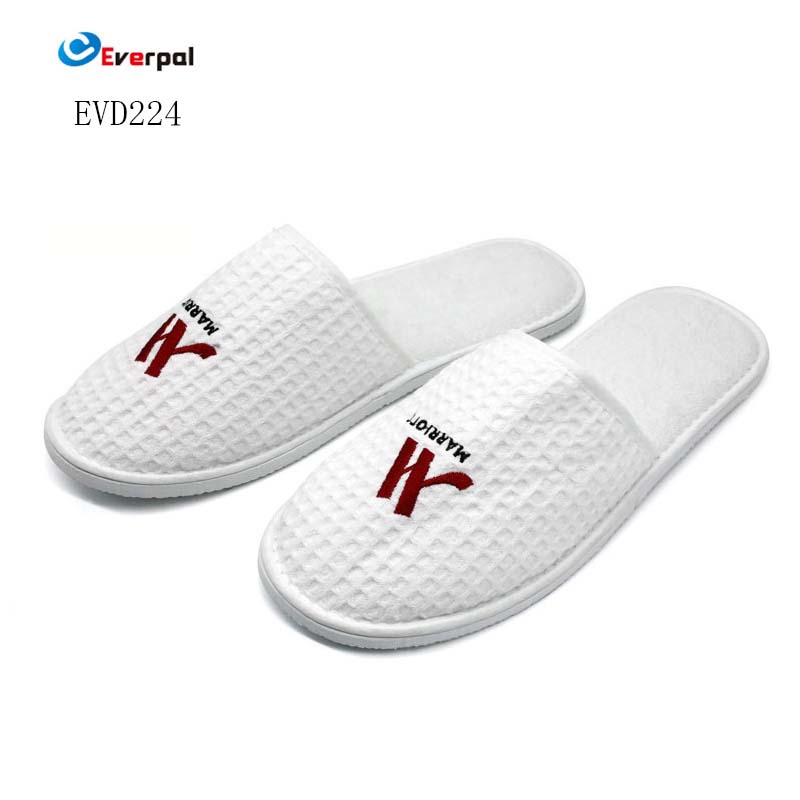
Many hotels get burned not by “bad slippers,” but by inconsistent slippers—Batch A is fine, Batch B feels different, and suddenly you have mixed feedback. You can prevent this with clear specifications and a simple reorder rhythm.
| What to Specify | Example Details to Lock In | Why It Matters |
|---|---|---|
| Material and thickness | Upper fabric type, footbed thickness range, sole type | Prevents “same name, different feel” issues |
| Anti-slip performance | Dot pattern density or sole texture requirement | Reduces slippery-floor complaints |
| Packaging style | Individual wrap, paper band, print requirements | Controls hygiene perception and presentation |
| Carton labeling | SKU, size, color, batch/production reference | Helps housekeeping and inventory accuracy |
| Sampling and approval | Pre-production sample confirmation for new orders | Catches issues before bulk shipment |
When you treat Hotel Slippers like an operational product (not a throw-in amenity), you get stable quality—and fewer surprises.
Q: Should we choose disposable or reusable slippers?
It depends on your positioning and housekeeping setup. Disposable options simplify hygiene messaging and reduce laundry load. Reusable-style slippers can feel more premium, but you’ll want a plan for consistent presentation and replacement frequency.
Q: What’s the safest sole choice for tile floors?
Look for anti-slip features like textured EVA/TPR soles or reliable dot patterns. If guests frequently walk around after showers, prioritize traction over ultra-thin soles.
Q: How many sizes do we really need?
Many properties succeed with one unisex size plus a limited backup size (usually “large”) available on request. Hotels with families or long-stay guests may benefit from adding a smaller or kids option.
Q: How do we make slippers feel “premium” without a huge cost jump?
Upgrade the presentation first: cleaner packaging, consistent folding, and a sturdier-looking shape. Then optimize comfort touchpoints like the upper softness and footbed thickness.
Q: What causes the “chemical smell” some guests mention?
It can come from certain adhesives or materials stored in sealed cartons for long periods. Ask suppliers about low-odor materials and consider airing cartons in a ventilated storage area before peak occupancy.
Q: How can we reduce waste from unused slippers?
Offer slippers by request for eco-focused room categories, or standardize placement so guests don’t open them “just to check.” Clear messaging and consistent room setup can noticeably reduce open-but-unused units.
The right Hotel Slippers do three jobs at once: they protect comfort, build trust in cleanliness, and quietly reinforce your brand. When you align the material, sizing strategy, and packaging with how guests actually behave, slippers stop being a cost line and start being a satisfaction lever.
If you’re evaluating options or want a spec sheet tailored to your property type, contact us at XIAMEN EVERPAL TRADE CO., LTD to discuss materials, packaging, sizing, and bulk ordering that fits your rooms and your workflow.
Copyright © 2022 Xiamen Everpal Trade Co., Ltd - Flip Flops, Sandals Slippers, Slides Slippers - All Rights Reserved.